
Fire Control Plan, Muster List & Flooding Response
Where the fire plan lives, what the muster list must contain under Reg.37, and the engine-room flooding drill — in surveyor-ready words.
Key Principles at a Glance 5 points
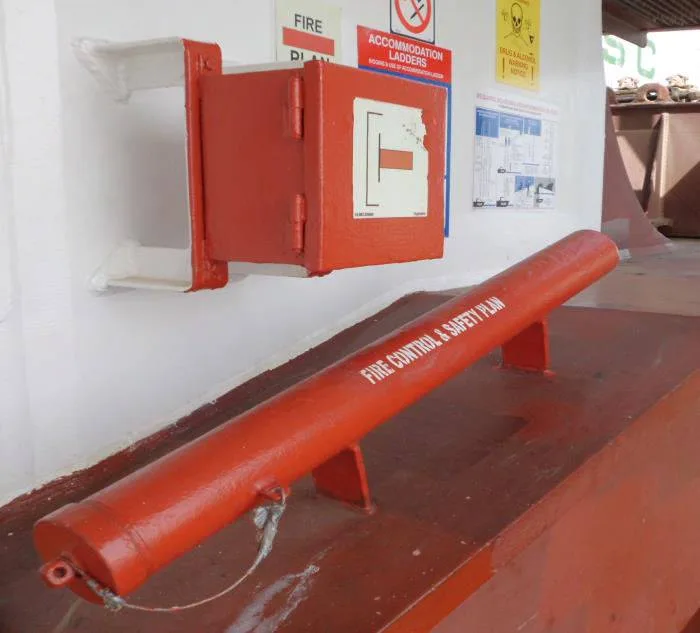
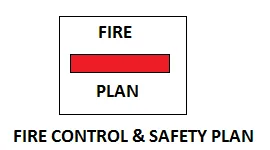
- The fire control and safety plan is stowed at the entrance on both sides, on the bridge, in the ECR and in the ship office inside a red container, is confidential and Administration-approved, and lets any external shore party read appliances, reach the fire and find escapes.
- The plan details every fixed, portable and semi-portable appliance with symbols: detection and alarm, sprinklers, CO2 nozzles, extinguishers, ventilation, dampers, engine-room escapes, detectors, EEBD, hose and nozzle numbers, life rafts and immersion suits.
- The muster list under SOLAS Chapter 3, Section 5, Regulation 37 specifies the general alarm, PA system and abandon-ship order with crew duties on closures, survival craft, mustering, communications, fire parties and fixed appliances.
- The list names which officers keep life-saving and fire appliances ready, substitutes for every key person, and passenger duties — warn, clad with lifejackets, muster, control movement, carry blankets — and is prepared pre-sea and revised by the master on crew change.
- Engine-room flooding response runs inform bridge and chief engineer, sound engineers alarm, log position and time, locate and repair, start the second pump, slow the main engine, change to emergency bilge suction, protect motors and keep the lifeboat ready.
1. Fire Control (Fire) Plan — Location & Purpose
For "explain the fire plan — location, contents, approved by?" (Q27), state stowage first, statutory status second, and external shore firefighting utility third:
External Entrance Stowage (Port & Starboard)
Permanently stowed in weather-tight, brightly marked red cylindrical containers at the primary boarding entrances on both port and starboard gangways, enabling external shore brigades to retrieve the plan immediately upon boarding.
Internal Command Locations
Permanently mounted copies on the navigation bridge, in the engine control room (ECR), and in the ship's safety office, providing immediate tactical references for the master, chief engineer, and emergency team leaders.
External Fire Brigade Purpose
Its primary statutory importance is for external municipal or port fire brigades unfamiliar with the ship's layout. It allows outside firefighters to instantly locate fire boundaries, suppression valves, and emergency escape routes.
Statutory Administration Approval
The fire plan is a confidential statutory document approved by the Flag State Administration (or Recognized Organization). An identical ashore duplicate is held by the shipowner for maritime rescue coordination.
2. Fire Plan — Full Contents List
For "what is inside the fire plan?", recite the full eleven-item statutory contents list in ordered sequence without omission:
1. Fire Detection & Alarm System
Control panel locations, loop layouts, zones, call point positions, and audible/visual alarm sounders throughout accommodation and machinery spaces.
2. Sprinkler & Water-Mist System
Section control valves, pressure tank locations, protected zones, pump stations, and automatic alarm switchboard indicators.
3. Fixed CO² Smothering System
Cylinder battery room, manifold distribution pipes, release pull-boxes, pilot valves, and discharge nozzle grid in machinery spaces and cargo holds.
4. Portable & Semi-Portable Extinguishers
Exact deck positions, types (water, foam, dry powder, CO²), and capacities of all hand portable and mobile wheeled units.
5. Mechanical Ventilation Systems
Ventilation ducting routes, fan rooms, remote fan emergency stop switches, and fuel oil pump quick-closing trip stations.
6. Fire & Smoke Dampers
Exact physical positions of all fire dampers, smoke flaps, control air lines, fusible links, and manual/pneumatic remote operating stations.
7. Machinery Space Escape Routes
Vertical escape trunks, continuous steel ladder enclosures, fire door self-closing doors, and designated muster exit pathways.
8. Fire Detector Distribution
Individual sensor types and locations: optical smoke detectors, rate-of-rise heat detectors, and infrared/ultraviolet flame detectors.
9. EEBD Stowage Locations
Positions and quantities of all Emergency Escape Breathing Devices in accommodation alleyways, engine control rooms, and escape trunks.
10. Fire Hoses, Nozzles & ISC
Total count and locations of fire hydrants, hose boxes, dual-purpose jet/spray nozzles, coupling spanners, and International Shore Connection.
11. Life Rafts & Immersion Suits
Stowage cradles of inflatable life rafts, hydrostatic release units (HRU), boarding ladders, and immersion suit lockers.
Commit to memory: Detection → Sprinkler → CO² → Extinguishers → Ventilation → Dampers → Engine Escapes → Detectors → EEBD → Hoses & Nozzles → Life Rafts & Suits.
3. Muster List — Alarm, Order & Crew Duties (SOLAS Ch.3 Sec.5 Reg.37)
For "explain the muster list?" (Q28), anchor your answer on the regulation: SOLAS Chapter III, Section 5, Regulation 37 — Muster list and emergency instructions.
1. Emergency Alarms & Orders Specified:
- General Emergency Alarm: Seven or more short blasts followed by one long blast on the ship's whistle and internal electric alarm bells/klaxons.
- Public Address (PA) System: Explicit details of PA follow-up broadcasts indicating the nature, space, and severity of the emergency.
- Abandon Ship Command: Specifies precisely how the order to abandon ship will be given — solely and verbally by the Master or designated relieving officer.
2. The Eight Statutory Crew Duty Groups:
1. Boundary Closures
Closing watertight doors, fire doors, fire dampers, valves, scuppers, sidescuttles, skylights, portholes, and opening flaps.
2. Survival Craft Equipping
Equipping survival craft, assembling distress signals, EPIRBs, SARTs, two-way VHF radios, and additional drinking water/rations.
3. Launching Preparations
Unlashing gripes, clearing harbor pins, swinging out davit arms, bowsing in, and preparing lifeboats/liferafts for embarkation.
4. Other LSA Gear
Rigging embarkation ladders, line-throwing apparatus, and preparing lifebuoys with self-igniting lights and smoke floats.
5. Passenger Mustering
Assembling passengers at designated muster stations, conducting headcounts, verifying roll calls, and maintaining calm.
6. Communications
Operating two-way emergency radiotelephones, sound-powered telephones, GMDSS distress alerting, and bridge messenger duties.
7. Manning Fire Parties
Designating firefighters into attack teams (BA wearers, nozzlemen) and support squads to actively fight and contain fires.
8. Special Fixed Systems
Operating emergency fire pumps, quick-closing fuel valves, remote boiler stops, hypermist skids, and fixed CO² release stations.
Always cite the full legal basis: SOLAS Chapter III, Regulation 37. Never say "company format". It specifies the general emergency alarm, PA announcement, Master's abandon-ship order, and the eight crew duty groups above.
4. Muster List — Officers, Substitutes, Passengers & Upkeep
Regulation 37 mandates clear operational succession, appliance upkeep responsibilities, passenger control protocols, and revision rules:
Officer Assignments & Substitutes:
Appliance Readiness Officers
The muster list specifies exactly which officers are assigned to ensure life-saving and fire appliances are maintained in prime condition and ready for immediate operational deployment (typically Safety Officer / Chief Officer and 2nd Engineer).
Casualties & Substitutes
Mandatory specification of substitutes for every key person who may become incapacitated or disabled, ensuring continuity of command and technical duties during multi-hazard emergencies.
Passenger Duties (Passenger Ships):
| Phase | Statutory Action | Operational Protocol |
|---|---|---|
| 1. Warning | Warning the passengers | Sounding general alarm, public address announcements in languages understood on board. |
| 2. Dressing | Suitably clad, lifejackets donned | Ensuring warm clothing is worn and lifejackets are properly fitted and fastened. |
| 3. Mustering | Assembling at stations | Guiding passengers from cabins and public rooms to designated primary muster stations. |
| 4. Control | Order and movement control | Maintaining strict order on stairways and passageways, preventing panic and crushing. |
| 5. Blankets | Supplies to survival craft | Ensuring a designated supply of blankets is brought to lifeboats and liferafts. |
Statutory Upkeep & Revisions:
- Pre-Sea Preparation: The muster list must be drawn up and signed by the Master before the ship proceeds to sea.
- Crew Changes: If any crew change takes place, the Master must immediately revise the list or issue a completely new signed muster list.
- Posting: Prominently displayed in conspicuous locations throughout the ship (bridge, engine room, mess rooms, crew accommodation passageways).
5. Engine-Room Flooding — Full 9-Step Action (Q29)
For "flooding in the engine room — what is your action?" (Q29), deliver the nine steps in exact operational chronology:
6. Muster-List Duty Recital Drill
When the surveyor instructs "recite Regulation 37 muster duties verbatim", deliver with rapid accuracy using the structured breakdown below:
| Group | Assignment Title | Specific Mandatory Actions to Recite |
|---|---|---|
| 1 | Closures | Closing watertight doors, fire doors, valves, scuppers, sidescuttles, skylights, portholes, and opening flaps. |
| 2 | Equipping | Equipping survival craft and other life-saving appliances (SARTs, EPIRBs, distress pyrotechnics). |
| 3 | Launching | Preparation, clearance of lashings, davit swing-out, bowsing, and launching of survival craft. |
| 4 | Other LSA | General preparation and rigging of other life-saving appliances (embarkation ladders, line throwers). |
| 5 | Mustering | Muster of passengers, roll calls, and accountability headcounts at assigned muster stations. |
| 6 | Comms | Use of communication equipment, two-way VHF radios, bridge messengers, and PA system operation. |
| 7 | Fire Parties | Manning of fire parties assigned to attack, contain, and boundary-cool active fires. |
| 8 | Fixed FFA | Special duties for fire-fighting equipment, emergency fire pumps, and fixed extinguishing skids. |
Crew duties: Closures → Equip → Launch → Other LSA → Muster → Comms → Fire Parties → Fixed Systems. Passenger duties: Warn → Clad → Muster → Order → Blankets.
7. Exam-Day Delivery: Q27–Q29 in Surveyor Words
Deliver the three core questions as concise viva speeches — each completed in under 45 seconds with all statutory parameters included:
Q27: Fire Plan (30 Seconds)
"The fire control plan is stowed in weather-tight red containers at both boarding entrances on the weather deck for external port brigade use, with working sets on the bridge, ECR, and ship office. It is a confidential document approved by the Administration displaying all fixed, portable, and semi-portable appliances with standard IMO symbols, damper locations, ventilation stops, EEBDs, and escape routes."
Q28: Muster List (30 Seconds)
"Framed under SOLAS Chapter III, Regulation 37. It specifies the general emergency alarm (7 short + 1 long), PA announcements, and Master's abandon-ship order. It details eight crew duty groups from closures to survival craft, specifies officers responsible for LSA/FFA readiness, names substitutes for disabled key persons, outlines five passenger care duties, and is formulated pre-sea and revised upon any crew change."
Q29: ER Flooding (40 Seconds)
"I inform the bridge and Chief Engineer, sound the engineers' alarm, and record the ship's position and time in the log before pumping. While engineers locate and mechanically plug the leak, I start secondary bilge pumps in parallel and slow down the main engine. If rising, I line up Emergency Bilge Suction to the main seawater pump via the extended spindle valve, isolate electrical motors, and stand by lifeboats."