

Permits to Work: Hot Work, Working Aloft/Overside & LOTO Isolation
Learn high-risk shipboard permits: Hot Work authorization & fire boundaries, Working Aloft safety harnesses, Overside rescue procedures, and Lockout/Tagout (LOTO) mechanical and electrical isolation.
1. The Hot Work Permit System & Fire Boundary Management
Aboard any ship, Hot Work encompasses any maintenance or construction activity involving welding, burning, flame-brazing, soldering, grinding, or any heat-producing operation where temperatures exceed 400°C or generate sparks that could ignite flammable vapors, dusts, or solid combustibles.
Pre-Requisites for Hot Work Authorisation
Before the Master or Chief Engineer countersigns a Hot Work Permit, the following mandatory conditions must be verified:
| Verification Item | Engineering Standard & Mandatory Criteria |
|---|---|
| Atmospheric Gas Testing | Hydrocarbon flammability must read strictly 0% of Lower Flammable Limit (LFL). Oxygen must read 20.9%. Toxic gases must be below TLV. |
| Combustible Clearing Zone | All combustible materials, oily rags, paint cans, timber chocks, and debris must be completely cleared within a 15-metre radius of the hot work site. |
| Adjacent Boundary Inspection | The reverse sides of bulkheads, deckheads, and tank tops must be inspected. If the adjacent space contains fuel oil or cargo, the liquid level must be lowered below the heat zone or the compartment gas-freed and cleaned. |
| Drain & Scupper Sealing | All scuppers, bilge wells, drain pockets, and sounding pipes within the spark fallout zone must be covered with damp sand or non-combustible fire blankets. |
| Dedicated Fire Watch | A trained crew member equipped with a charged fire hose and appropriate portable extinguishers (dry chemical powder or foam) must be stationed at the hot work site and on the reverse boundary. |
| Post-Work Fire Surveillance | Continuous fire watch must remain on site for a minimum of 30–60 minutes after hot work is completed to detect slow-burning smoldering embers. |
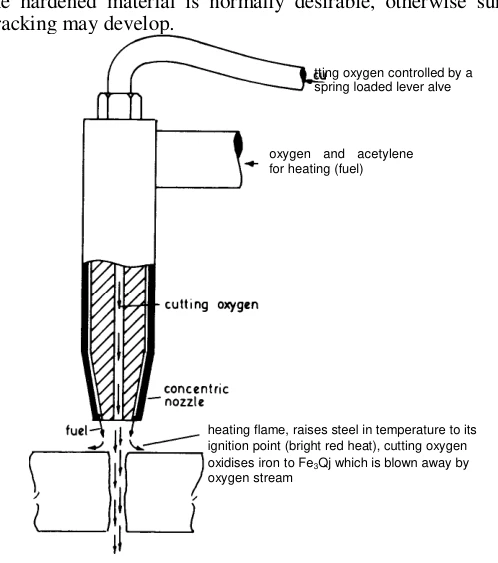
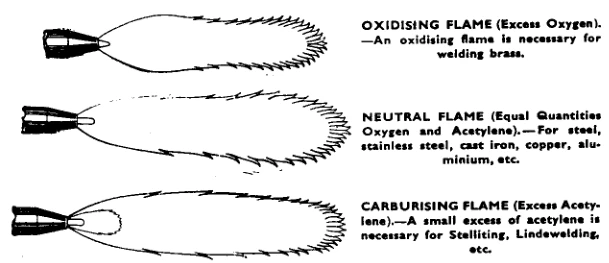
Oxy-Acetylene Cutting & Welding Safety Architecture
Gas cutting and welding equipment introduces extreme hazards due to compressed acetylene (C2H2), which is thermodynamically unstable above 2 bar, and pure oxygen (O2), which violently accelerates combustion:
- Thermal Flashback Arrestors: Must be fitted on both the oxygen and acetylene lines at the cylinder pressure regulators AND at the torch handle. If a flame travels back into the hose, a sintered metal flame-quench element instantly cools the flame, and a spring-loaded non-return cutoff valve trips closed under backpressure.
- Cylinder Storage & Securing: Acetylene bottles must always be stored in an upright vertical position (to keep liquid acetone from carrying over into the regulator). Gas bottles must be stored outside the engine room in dedicated, ventilated deck lockers fitted with remote deluge cooling systems.
2. Working Aloft & Working Overside Permit Procedures
Under the Code of Safe Working Practices for Merchant Seafarers (COSWP), working aloft (any location above 2 metres from the deck where a fall hazard exists) or working overside (outside the ship's guardrails over water) demands strict operational interlocks:
Mandatory isolations before going aloft
- Radar scanners: Lock off X-band and S-band breakers; pull and tag fuses.
- Ship’s whistle: Isolate the air supply to the Tyfon and horn; tag the electric pull.
- Funnel and boiler uptakes: Lock soot blowers and disable the incinerator.
- Radio and HF antennas: Isolate transmitters and ground the main aerial against RF radiation hazards.
Warning: The bridge OOW and duty engineer must both sign the permit before personnel climb aloft.
Critical Working Aloft Precautions:
- Full Body Fall-Arrest Harness: A certified full body safety harness (not a simple waist belt) must be worn. The shock-absorbing lanyard must be anchored to a dedicated, load-tested safety lifeline or certified overhead structure—never to the staging, scaffolding, or handrails.
- Bosun's Chair & Gantline Inspection: Inspect the wooden seat for cracks, gantline rope (minimum 28 mm circumference manila or approved synthetic) for internal rot or chemical damage, and verify shackles are moused with wire. The gantline must be attached to the chair bridle using a double sheet bend with the long tail toggle seized.
- Tool Lanyards: All handheld tools (spanners, chipping hammers, scrapers) must be secured to the worker's belt or wrist by lanyards to prevent dropping tools onto personnel below. The area directly beneath must be roped off with warning signs.
Critical Working Overside Precautions:
- Bridge Notification & Engine Immobilisation: If work is undertaken near the stern, the propeller must be immobilized with turning gear engaged and an Engine Room Propeller Clearance / Immobilisation Certificate issued.
- Personal Flotation: Personnel must wear an approved work lifejacket or immersion floatation suit in addition to the safety harness.
- Rescue Standby: A dedicated deck crew member must remain on watch at the shipside. A lifebuoy with 30-metre lifeline and self-igniting water-activated light must be kept ready at the rail, and the rescue boat must be in a state of immediate readiness for launching.
3. Lockout / Tagout (LOTO) & Energy Isolation Architecture
Unintended machinery start-up or the uncontrolled release of stored energy during maintenance is a leading cause of severe shipboard trauma, amputation, and death. Lockout / Tagout (LOTO) establishes an absolute, positive barrier between hazardous energy and the working engineer.
-
Step 1: Identify All Energy Sources
Locate every potential form of energy connected to the machinery: Electrical (440V power circuits, 220V control lines, 24V automation batteries), Hydraulic (pressurized oil lines, accumulator bottles), Pneumatic (30-bar starting air, 7-bar control air), Thermal (steam lines, hot fuel, high-temp jacket water), and Mechanical / Gravitational (suspended crane blocks, weighted balance arms, spring-loaded actuators).
-
Step 2: Notify Affected Shipboard Personnel
Inform the Officer of the Watch (OOW), Chief Engineer, and control room watchkeepers that the machinery is being taken out of service and isolated.
-
Step 3: Machinery Shutdown & Primary Isolation
Stop the machinery locally. Open the main electrical circuit breaker in the Main Switchboard (MSB) or motor control centre (MCC). Where fuses exist, withdraw the fuses and store them under lock. Close all supply, return, and discharge system valves.
-
Step 4: Lock Out and Tag Out (Physical Lock & Warning Tag)
Apply a physical padlock or lockout hasp directly onto the breaker handle, valve wheel lock, or fuse carrier box. Fasten a durable, weather-resistant "DANGER — DO NOT OPERATE" warning tag bearing the engineer's name, rank, date, and permit reference number. The key to the padlock remains solely in the personal custody of the engineer executing the work.
-
Step 5: Dissipate Residual & Stored Energy (Zero Energy State)
It is not enough to close valves and trip breakers. All residual energy trapped in the circuit must be released:
- Bleed down pressure lines via drain cocks and vent plugs.
- Vent hydraulic accumulators and discharge capacitors.
- Relieve spring tension on mechanical actuators.
- Chock or pin mechanical components subject to gravitational descent (e.g., engine pistons on overhaul stands, crane jibs).
-
Step 6: The "Try Step" — Zero-Energy Verification
Before touching any electrical wire or dismantling any component, conduct the "Try Step": Attempt to start the machine using the local push button or remote start signal to verify the machine remains completely dead. On electrical systems, use a calibrated multi-meter tested against a known live proving unit immediately before and after testing the isolated terminals (Test — Prove — Test).
4. Permit Documentation, Validity & Turnover Responsibilities
A Permit to Work is not mere paperwork—it is an enforceable operational safety contract. Strict governing rules apply to every shipboard permit:
| Regulatory Requirement | Standard Marine Operating Procedure |
|---|---|
| Permit Issuing Authority | Issued strictly by the Chief Engineer (for machinery/engine spaces) or Chief Officer (for deck spaces), with final countersignature by the Master. |
| Permit Validity Limit | Strictly limited to a single work shift (maximum 8–12 hours). A permit cannot be indefinitely extended. If work extends beyond the shift, a full re-assessment and re-testing must take place before issuing a new permit. |
| Suspension of Work | If an abnormal condition occurs (fire alarm, gas alarm, sudden change of weather, loss of ventilation, or emergency maneuvering), the permit is automatically canceled. Personnel must withdraw immediately and the permit returned to the control room. |
| Permit Close-Out & De-Isolation | Upon job completion, the person in charge checks the site: all tools and spares accounted for, guards refitted, floor plates replaced, and personnel clear. The issuing authority inspects the site, signs off the close-out, removes padlocks and tags, and restores systems to active status. |
Practise this in the question bank
- Gas Cylinder & CO2 Room Safety — 25 questions
Found a mistake, or something unclear?
Report it in a few seconds — it goes straight to the editors.