
Safety on the Sewage Plant — Gas Hazards and Enclosed Space Entry
The hazards specific to sewage treatment.
Key Principles at a Glance 7 points
- The gases from anaerobic sewage breakdown are hydrogen sulphide, methane and ammonia — hydrogen sulphide is the one that kills people in sewage tanks, because it deadens the sense of smell exactly as the danger increases.
- An air supply failure is a gas hazard and not merely a loss of treatment: stop the plant, restore the air, and accept the 5 to 14 day regrowth period rather than filling a compartment with gas.
- Any work inside a sewage tank or holding tank is an enclosed space entry in the full sense — ventilate, test the atmosphere, second man at the entrance, breathing apparatus available, permit controlled.
- Chlorine and caustic based compounds require PPE when handling tablets or dosing chemicals, and tablets of compound may become unstable and dangerous during storage.
- Aerobic bacteria become more dangerous while maintenance is being done, because they are aerosolised in an enclosed space alongside the crew — always work with ventilation.
- On a chemical treatment plant the sterilised liquid is returned to the sanitary system, so the treatment has to be verified as working before it reaches the flushing system.
- Sludge must be kept away from the bilge system, or it fouls the separator's plates and coalescer and two plants fail at once.
1. The hazards and their controls
The SMS, the class rules and the M Notices override. Any work inside a sewage tank or holding tank is an enclosed space entry and is permit-controlled, with ventilation, atmosphere testing, a second man at the entrance and breathing apparatus available.
| Hazard | Control |
|---|---|
| Anaerobic sewage gases — hydrogen sulphide, methane, ammonia | Toxic and flammable. If the air supply has failed, do not continue to run the plant — anaerobic bacteria will propagate. Always carry out maintenance in the presence of ventilation |
| Sewage plant and holding tank entry | Treat as an enclosed space entry — ventilate, test the atmosphere, second man at the entrance, breathing apparatus available |
| Holding tank gas emission | A vent with the outlet suitably and safely positioned, and a flame trap |
| Chemical treatment and chlorination | Chlorine and caustic based compounds — PPE when handling tablets or dosing chemicals. Tablets of compound may become unstable and dangerous during storage |
| Chemical plant recirculation | The sterilised liquid is returned to the sanitary system for further use — verify the treatment is working before it reaches the flushing system |
| Biological hazard during maintenance | Aerobic bacteria become more dangerous while doing maintenance — always work with ventilation |
| Sludge handling | Sludge cannot be discharged in port — pump to a sullage tank or incinerate. Keep sludge away from the bilge system |
| Environmental and regulatory | Never discharge untreated sewage outside the regulation. Keep the ISPP certificate and the sewage disposal records with the Oil Record Book |
2. The gas hazard
The gases from anaerobic sewage breakdown are hydrogen sulphide, methane and ammonia, and each has a different way of hurting you:
- Hydrogen sulphide is the one that kills people in sewage tanks. It is heavier than air, it accumulates at the bottom of the space, and at low concentrations it deadens the sense of smell — so the classic warning sign disappears precisely as the danger increases.
- Methane is flammable, and it accumulates in the headspace of a tank or the top of a compartment. This is why the holding tank vent carries a flame trap.
- Ammonia is toxic and irritant.
The critical operational point is the trigger, and it is the one instruction in this chapter that has to be remembered: an air supply failure is a gas hazard, not merely a loss of treatment. Stop the plant, restore the air, and then re-establish the colony — accepting the five to fourteen day regrowth period as the price of not filling a compartment with gas. Running an unaerated plant in order to keep a discharge going is how hydrogen sulphide is generated in a space that somebody will later have to open.
3. Enclosed space entry
The sewage treatment plant and the holding tank are enclosed spaces, and work inside them is enclosed space entry in the full sense. The routine is the ship's standard one, and it applies without exception:
- ventilate the space before entry, and keep ventilating throughout;
- test the atmosphere for oxygen, hydrocarbon and toxic gas, and continue testing;
- a second man stands by at the entrance throughout;
- breathing apparatus is available and ready for use;
- the entry is permit-controlled and the "man at work" board displayed.
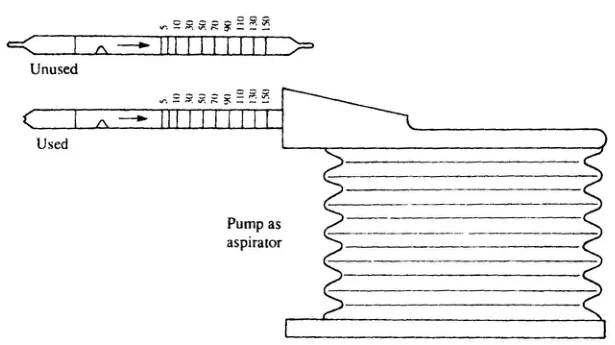
The reason this cannot be relaxed on a sewage plant is the same reason it cannot be relaxed in a cargo tank: the atmosphere can be lethal at concentrations the nose cannot detect, and the space has no natural ventilation.
4. The chemical hazard
The chlorination stage introduces hazards of its own.
- Chlorine and caustic based compounds are handled when renewing tablets or dosing chemicals, and they require PPE.
- Tablets of compound may become unstable and dangerous during storage. This is not a theoretical caution — it is the reason different sterilisation methods use different compounds and why they are not interchangeable. Store to the maker's instructions, and do not mix grades.
- On a chemical treatment plant the sterilised liquid is returned to the sanitary system for further use. That is the design intent, but it means the treatment has to be verified as working before the liquid reaches the flushing system. A failed chemical plant circulates untreated sewage back into the accommodation.
5. The biological hazard of maintenance itself
There is a counter-intuitive point worth stating plainly. Aerobic bacteria become more dangerous while maintenance is being done. The bacteria that make the plant work are harmless in a properly operating, aerated, contained system. When the plant is opened, when it is being desludged, when it is being cleaned, they are being aerosolised in an enclosed space alongside the crew.
The rule is therefore: always work with ventilation. It applies to desludging, to aerator replacement, to internal inspection — every task in this chapter's maintenance list.
6. Sludge and the bilge system
One cross-connection hazard deserves its own mention. Sludge must be kept away from the bilge system.
If sewage sludge reaches the bilge, it goes to the oily water separator, where it will foul the plates and the coalescer and produce an effluent that will not meet 15 p.p.m. Two plants fail at once, and the sewage plant's own sludge disposal problem becomes an oily water problem as well.